1.5 Months
2 hrs./day
Piping Design Course in Vadodara
Take Your Engineering Career to the Next Level with Best Plant 3D Training Centre in Vadodara
Our students work at well-known companies



























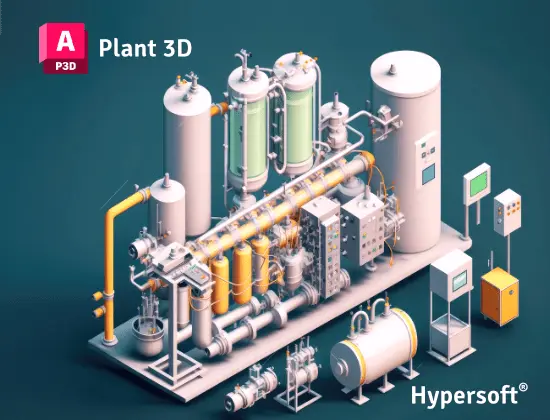
About Plant 3D Classes in Vadodara
1. what is piping & Why Should I Learn Piping?
Piping refers to a system of pipes and associated components that are designed to transport fluids (liquids, gases, or slurries) from one location to another. It is a critical aspect of many industries such as oil & gas, chemical plants, construction, water treatment, and power generation. Piping systems are used for the conveyance of various substances, including water, steam, air, chemicals, and other fluids.
- Very High Demand in Industries: Piping is essential in many sectors like construction, oil & gas, pharmaceuticals, energy, and water treatment. Learning piping design allows you to enter high-demand industries that require skilled professionals to design, install, and maintain complex piping systems.
- Good Salary: Skilled piping professionals often earn competitive salaries, especially in industries like oil & gas or power plants, where the demand for piping expertise is strong. Learning piping increases your earning potential and job security.
- Global Opportunities: Piping design is a globally recognized skill, so if you’re planning to work abroad, especially in sectors like construction and energy, understanding piping systems opens up job opportunities worldwide.
- Backup Career Option: Having piping design knowledge adds a valuable backup skill to your career portfolio. Whether you’re in engineering, construction, or another technical field, knowing piping can help you switch roles or industries if needed, making you more adaptable in an ever-changing job market.
2. What are Key Components of Piping systems ?
- Pipes and Fittings: Pipes form the backbone of the piping system, transporting fluids from one point to another. Fittings like elbows, tees, reducers, and couplings are used to connect and shape the pipe layout. Pipes are available in materials such as stainless steel, PVC, copper, and flexible pipes, depending on the application and fluid type.
- Vessels and Tanks: Vessels and tanks are used for storing liquids or gases, acting as reservoirs for supply, processing, or managing pressure changes. They ensure the system’s smooth operation during fluctuations. Examples: storage tanks, pressure vessels, and surge tanks, constructed from materials like carbon steel, stainless steel, or FRP (fiberglass-reinforced plastic).
- Reactors: Reactors facilitate chemical reactions, enabling the synthesis of products in industries like chemicals, pharmaceuticals, and petrochemicals. They ensure controlled reaction environments, improving efficiency and output. Batch reactors, continuous stirred-tank reactors (CSTR), and fixed-bed reactors, are few types of reactor majorly used.
- Heat Exchangers: Heat exchangers transfer heat between two fluids, helping control temperatures during processes. They are vital for energy efficiency and maintaining desired conditions. Shell-and-tube, plate, and air-cooled exchangers are commonly used in applications like HVAC systems, power plants, and chemical industries. condenser, cooling tower are also types of heat exchanger.
- Pumps and Compressors: Pumps and compressors help move fluids & air by increasing their pressure or flow rate. They are crucial for overcoming resistance, Hight changes, or long-distance transport. Common examples include centrifugal pumps, reciprocating compressors, and gear pumps, chosen based on the fluid type and system requirements.
- Valves: Valves control the flow of fluids in the system, allowing operators to regulate, isolate, or redirect it as needed. They ensure efficient system operation and safety during maintenance or emergencies. Gate valves, ball valves, and check valves, hydraulic control valve (automatic valve) each designed for specific functions like stopping flow, preventing backflow, or controlling pressure.
- Expansion Joints: Expansion joints are flexible connectors in pipes that absorb movement caused by changes in temperature, stopping pipes from cracking or leaking as they expand or shrink. Types: Examples include metallic joints for strength, rubber joints for flexibility, and fabric joints for lightweight options.
3. What other essential components are in a piping system?
Supporting and Specialized Components
- Instrumentation: Instrumentation monitors system parameters like pressure, temperature, and flow rate, providing data for safe and efficient operation. Common devices include pressure gauges, thermometers, and flow meters, which are essential for optimizing and troubleshooting the system.
- Safety Devices: Safety devices protect the system from hazards like overpressure, backflow, or temperature spikes. They ensure safety for both personnel and equipment. Pressure relief valves, rupture disks, and check valves, which provide immediate responses to critical situations.
- Fluid Treatment Components: These components remove impurities, maintain fluid quality, and ensure system efficiency. They protect equipment and enhance performance. Examples include filters, separators, and water treatment systems, selected based on the fluid’s properties and system needs.
- Flanges and Gaskets: Flanges and gaskets connect pipes and components securely, ensuring a leak-proof seal. They allow for easy disassembly during maintenance. Common flange types are weld neck, slip-on, and blind flanges, while gaskets include rubber, PTFE, and metal options for different pressures and temperatures.
- Insulation and Jacketing: Insulation minimizes heat loss or gain, maintaining fluid temperature and preventing energy waste. Jacketing provides additional protection against environmental factors. Materials like glass wool, rock wool, and polyurethane foam are chosen based on temperature range and fluid type.
- Supports and Hangers: Supports and hangers hold the piping system in place, preventing sagging, vibration, and misalignment. They ensure the system remains stable and operational under various loads. Examples include spring supports, pipe clamps, and rollers, chosen based on the load, temperature, and pipe materia
4. What are auxiliary and maintenance components in a piping system?
- Drains and Vents: Drains remove unwanted fluids, while vents release trapped air or gases in the system. These are critical for maintenance and smooth operation. Drain valves, air release valves, and vent pipes, often installed at high and low points in the system.
- Corrosion Protection: Corrosion protection methods prevent material degradation, extending the lifespan of the piping system in harsh conditions. Common methods include epoxy coatings, zinc linings, and cathodic protection systems.
- Pigging Systems: Pigging systems clean and inspect pipes using a device (“pig”) that travels through them. This ensures cleanliness and detects internal issues. Examples foam pigs, used for cleaning, and intelligent pigs, equipped with sensors for fault detection.
- Control Systems: Control systems automate operations like valve control, pressure regulation, and monitoring, ensuring efficiency and safety. SCADA systems and Programmable Logic Controllers (PLCs), commonly used in industrial automation.
- Flexible Connections: Flexible connections, like hoses and joints, absorb movement and vibration, reducing stress on the system. Metal hoses, rubber hoses, and swivel joints, used for flexibility and durability in dynamic systems.
- Sealing and Gasketing Materials: Sealing materials ensure a tight, leak-proof connection at joints. They are essential for maintaining system integrity under pressure. O-rings, spiral-wound gaskets, and non-metallic gaskets, selected based on application requirements.
5. What are the major international codes and standards should i know in piping design?
Codes & Standards are used to ensure the safety, reliability, and efficiency of piping systems by setting standardized design, material, and construction requirements. They help prevent failures, ensure compliance with regulations, and maintain system performance over time, minimizing risks and costs.
- ASME B31.1 – Power PipingThis standard applies to the design and construction of piping systems for power plants, including boilers, pressure vessels, and related systems. It focuses on safety, durability, and performance, particularly for high-pressure and high-temperature environments commonly found in power generation industries.
- ASME B31.3 – Process PipingASME B31.3 is used for the design, construction, and inspection of piping systems in chemical, petrochemical, and refining industries. It covers materials, design requirements, fabrication, installation, and testing, with a focus on safety and integrity in handling hazardous chemicals and fluids.
- API 560 – Fired HeatersAPI 560 provides guidelines for the design and construction of fired heaters in the oil and gas industry. It ensures that fired heaters, such as those used in refining, operate efficiently, safely, and within environmental standards. It focuses on the safe handling of heat transfer and combustion processes.
- ASME B16.5 – Pipe Flanges and Flanged FittingsASME B16.5 covers the design, materials, and testing of flanges and flanged fittings used in piping systems. It is widely used in industries like oil and gas, petrochemical, and chemical processing. The standard ensures proper strength, leak-tightness, and safe operation of flanged connections.
- ASME B16.9 – Factory-Made Wrought Buttwelding FittingsThis standard provides specifications for the design, materials, and dimensions of factory-made buttwelding fittings like elbows, tees, and reducers. It ensures consistency in manufacturing, quality control, and compatibility for welded piping systems.
- API 650 – Welded Tanks for Oil StorageAPI 650 specifies the requirements for the design, materials, construction, and testing of welded steel tanks used for the storage of petroleum and other liquids. It emphasizes tank integrity, safety, and proper design to withstand the pressures and environmental conditions typically encountered in storage applications.
- ANSI/ASME B36.10M – Welded and Seamless Wrought Steel PipeThis standard defines the dimensions, tolerances, and weights of welded and seamless steel pipes. It is commonly used in industries where strength and durability are crucial, such as in power generation, oil, and gas, and industrial manufacturing.
- ISO 9001 – Quality Management SystemsWhile not specific to piping design, ISO 9001 sets out criteria for a quality management system, ensuring that processes, including piping design, fabrication, and installation, are consistently controlled and meet high-quality standards. It is widely adopted across industries globally.
6. In which all sector piping is used?
- Pharmaceutical: Piping is used for transporting raw materials, chemicals, steam, water, and gases during the manufacturing and processing of pharmaceutical products. It ensures the safe and sterile transfer of substances in production plants.
- Oil & Gas: Piping is crucial for transporting crude oil, natural gas, refined products, and chemicals across drilling sites, refineries, and distribution networks. It ensures safe, efficient flow in high-pressure and hazardous environments.
- Chemical and Petrochemical plants: For transferring or producing chemicals, gases, and liquids in processing plants, refineries, and manufacturing units.
- Food and Beverage: For moving ingredients, liquids, and gases during food production while meeting hygiene standards.
- Power Generation: Used for transporting steam, water, and gases within power plants for energy production.
- Water Treatment: For the transport of water, chemicals, and waste in municipal and industrial water treatment facilities.
7. What career Options are available after learning piping?
- Piping Draftsperson: Specializes in creating detailed drawings and plans based on the design specifications provided by engineers.
- Piping Designer: In this role, the designer takes on more responsibility for designing piping systems, creating detailed 2D and 3D models, and ensuring that the designs comply with safety and industry standards.
- Piping Design Lead: This leadership role involves managing a team of designers, coordinating the design process, and liaising with project managers and other departments to ensure that piping systems are delivered on time and within budget.
- Piping Design Manager: A managerial position, where the individual is responsible for overseeing all aspects of the piping design process, from conceptual design to final installation. They manage teams, allocate resources, and ensure the design meets both technical and financial objectives.
- Piping Consultant: Experienced piping designers may transition into consulting roles, providing specialized advice on complex projects. Consultants work independently or with firms to offer expertise in piping system design, troubleshooting, and optimization.
- Piping Project Manager: For those with strong leadership and organizational skills, this role involves overseeing entire piping projects, ensuring deadlines are met, budgets are maintained, and designs are implemented correctly on-site.
- Piping Materials Engineer: This specialized role focuses on selecting appropriate materials for piping systems, based on factors like fluid type, temperature, pressure, and regulatory standards.
8. Who Can Learn Piping Designing course?
Engineering Students: ITI, Diploma, Bachelor’s, or Master’s students in Mechanical, Civil, Plumbing (MEP) Engineering, Chemical Engineering, and other related fields can greatly benefit from learning piping. It’s a core skill in industries like construction, oil & gas, pharmaceuticals, and energy.
Production and Maintenance Engineers: Engineers involved in the maintenance, installation, or upgrading of piping systems in factories, plants, or other infrastructure projects can benefit from learning piping design to better understand the systems they work with.
Project Managers in similar domain: Individuals managing projects that involve piping installations or upgrades, such as in construction, petrochemical plants, or water treatment facilities, can benefit from understanding the fundamentals of piping systems to effectively manage resources and timelines.
Aspiring Entrepreneurs in the Piping Industry: Those planning to start their own piping consultancy, manufacturing, or installation business can learn piping design to provide detailed project plans and solutions for clients in various industries.
Students Moving Abroad: Students who are planning to pursue higher studies or work abroad in industries like construction, oil & gas, and energy can benefit from learning piping design as it is in demand globally, especially in sectors requiring infrastructure development.
This course includes:
- From Zero to Advance Level training
- Courses Content Crafted by industry experts.
- Theory & Practice Book
- Personalized Doubts Solving
- Government approved International certification
- Post Training Support
- Placement Assistance
What You’ll Learn in Piping Design Training at Hypersoft
1. Project Setup and P&ID Development
- Project Setup: Set up a new Plant 3D project, defining units, standards, and project settings to establish the foundation for the design.
- Creating a 2D P&ID: Create a new P&ID drawing, insert standard and custom symbols, and connect them to represent the piping system, providing a visual representation of the plant’s layout and flow.
- Customizing Equipment: Design custom equipment using the Equipment Builder tool, define properties, and insert them into the P&ID, ensuring accurate representation of specific equipment requirements.
2. Equipment Modeling
- Modeling Core Equipment: Create and configure essential equipment like tanks, vessels, pumps, and condensers, defining their dimensions, materials, and operating parameters.
- Adding and Editing Nozzles: Design and position nozzles on equipment, specifying size, orientation, and connection details, ensuring proper fluid flow and equipment integrity.
- Designing Support Systems: Develop support structures, including ladders, platforms, and legs, to ensure equipment stability, accessibility, and compliance with industry standards.
- Importing Equipment: Utilize the Import feature to incorporate pre-designed equipment models from external sources, streamlining the design process.
3. 3D Piping & Fittings
- Creating Piping Networks: Design and route piping networks, connecting equipment with pipes of appropriate size and material, considering factors such as flow rate, pressure drop, and temperature.
- Adding Pipe Fittings: Insert various pipe fittings, such as valves, elbows, tees, and reducers, to facilitate changes in pipe direction, flow, and pressure, ensuring optimal system performance.
- Applying Pipe Slopes: Define pipe slopes to ensure proper drainage and fluid flow, adhering to industry standards and project requirements, preventing fluid stagnation and potential issues.
- Creating Custom Pipe Fittings: Design and create custom pipe fittings using the Pipe Fitting Builder tool to accommodate specific design needs, such as non-standard geometries or unique connection requirements.
4. Structure & Pipe Supports
- Creating Foundations: Design and model foundations for equipment, ensuring adequate support and stability, considering factors like soil conditions, equipment weight, and seismic loads.
- Modeling Structural Members: Create structural members, such as beams, columns, and braces, to support piping and equipment, ensuring structural integrity and safety.
- Using Plate Work: Design and model plate work components, including tanks, vessels, and ductwork, defining their thickness, material, and connections to other structural elements.
- Designing Pipe Supports: Model various pipe supports, including hangers, spring hangers, constant support hangers, and rigid supports, to maintain pipe alignment and prevent excessive stress.
5. Drawing and BOM Generation
- Creating Orthographic Views: Generate detailed 2D orthographic drawings, including plan, elevation, and section views, to accurately represent the 3D model.
- Generating Bill of Materials (BOM): Create comprehensive BOMs, listing all components and materials required for the project, including quantities, specifications, and supplier information.
- Assigning Tags and Labels: Assign unique tags and labels to equipment, pipes, and other components, facilitating identification and tracking throughout the project lifecycle.
- Creating Spool Pieces: Divide the piping system into manageable spool pieces, defining fabrication and assembly sequences, optimizing fabrication and installation efficiency.
Plant 3D Professional Course Completion - 1.5 Months
- Plant 3D Trainer feedback on your your work throughout the course.
- Submission of a piping work.
- Professional Plant 3D online exam (50% passing score required).
- Plant 3D certification 🎓
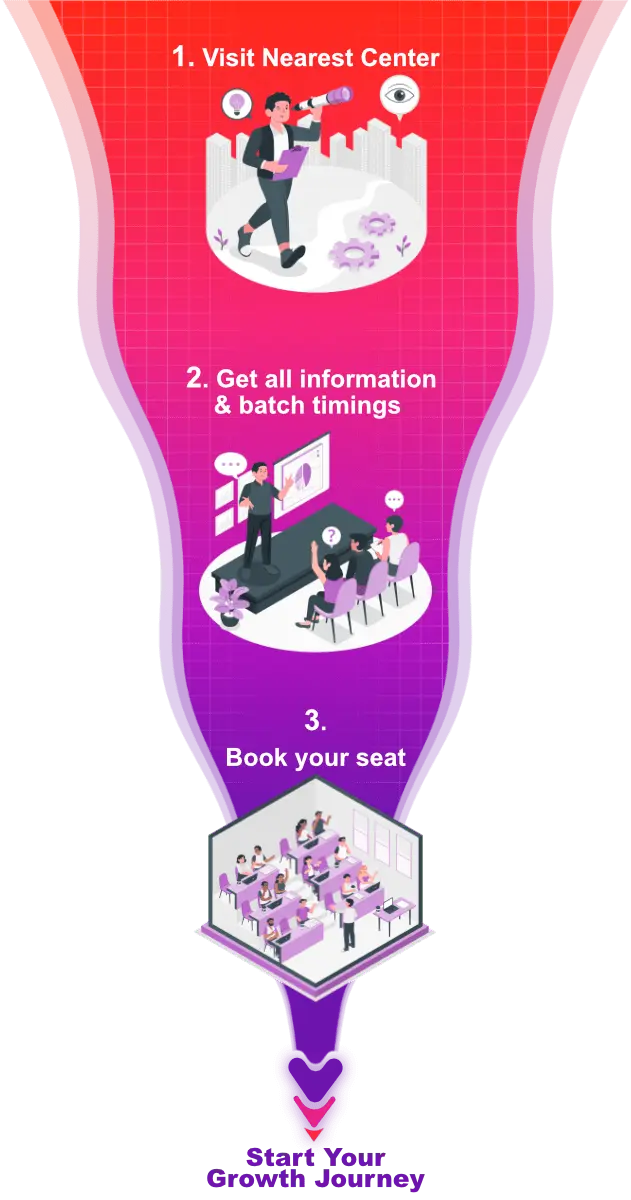
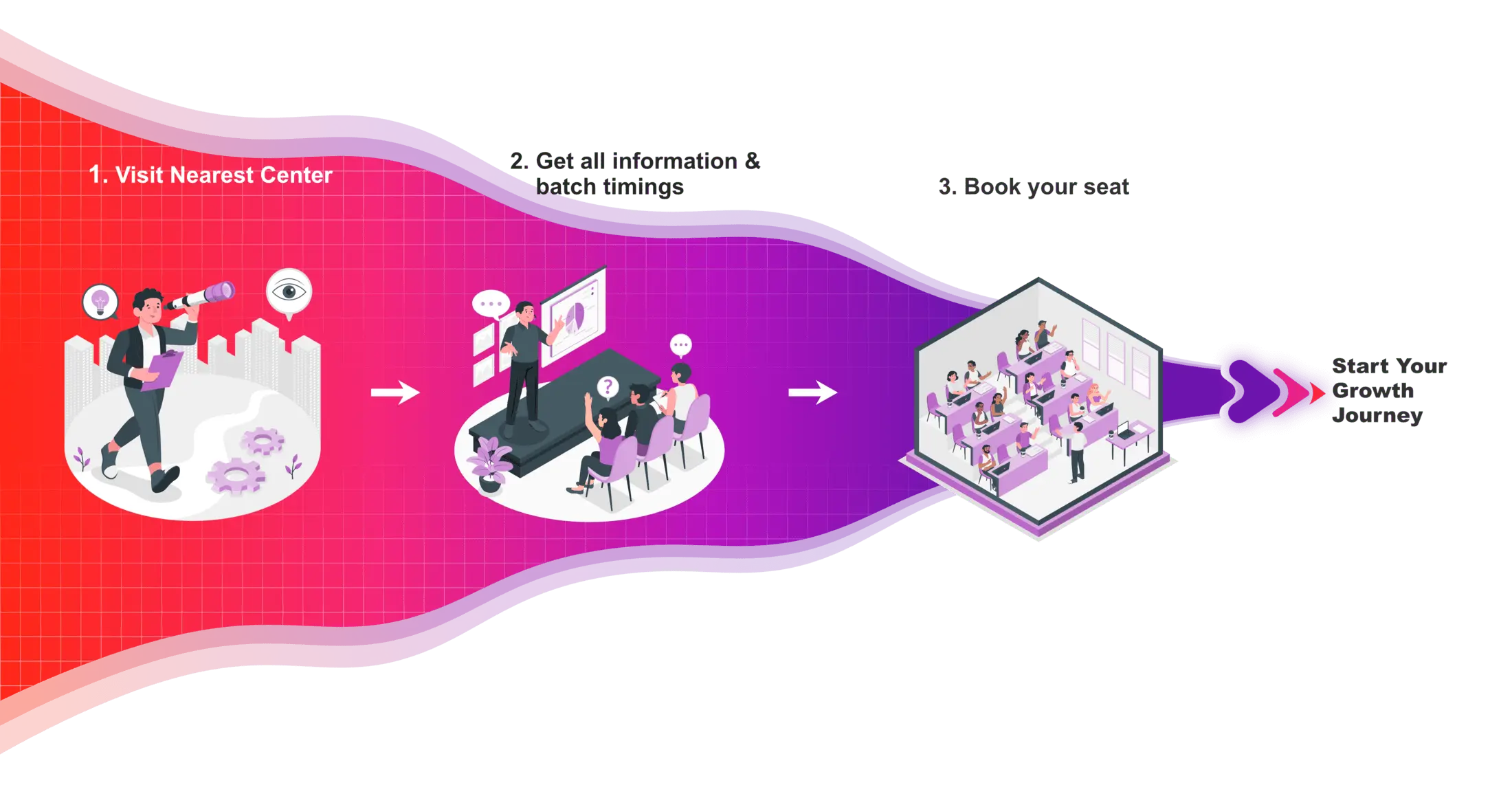
How to Join Hypersoft AutoCAD Classes
Plant 3D Certifications
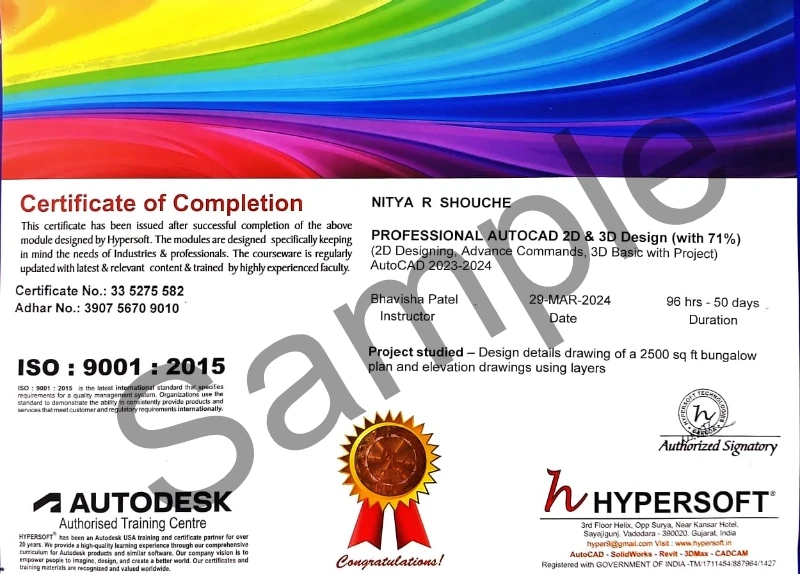
In today’s competitive job and college placement landscape, highlighting practical skills on your resume is important. Hypersoft’s industry-validated Piping Design course certifications, certified by Autodesk and NSDC, have the power to transform your resume. These certifications validate not only your Piping skills but also your deep knowledge of the tool, enhancing your credentials significantly.
Hypersoft Sneak Peak
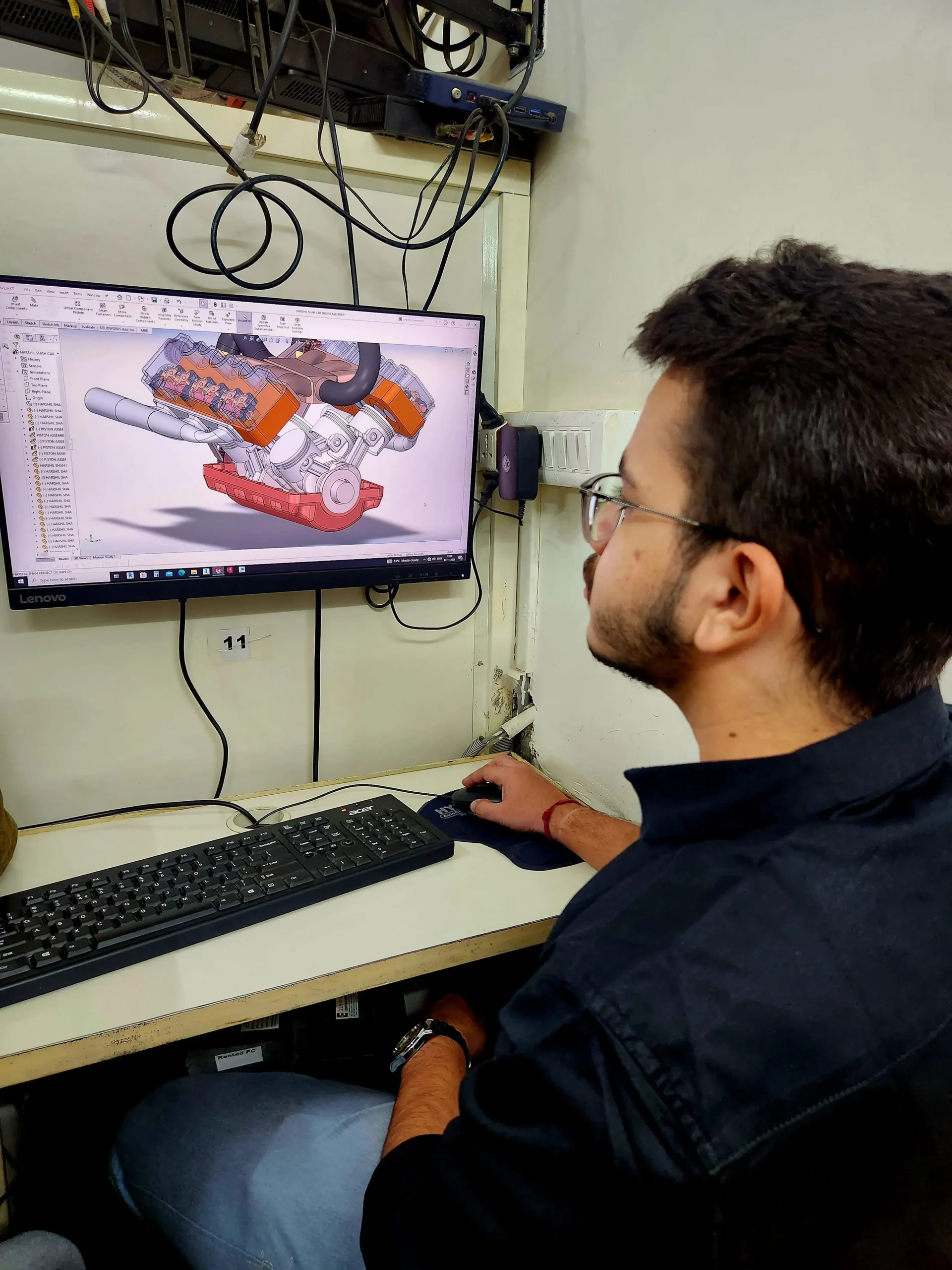
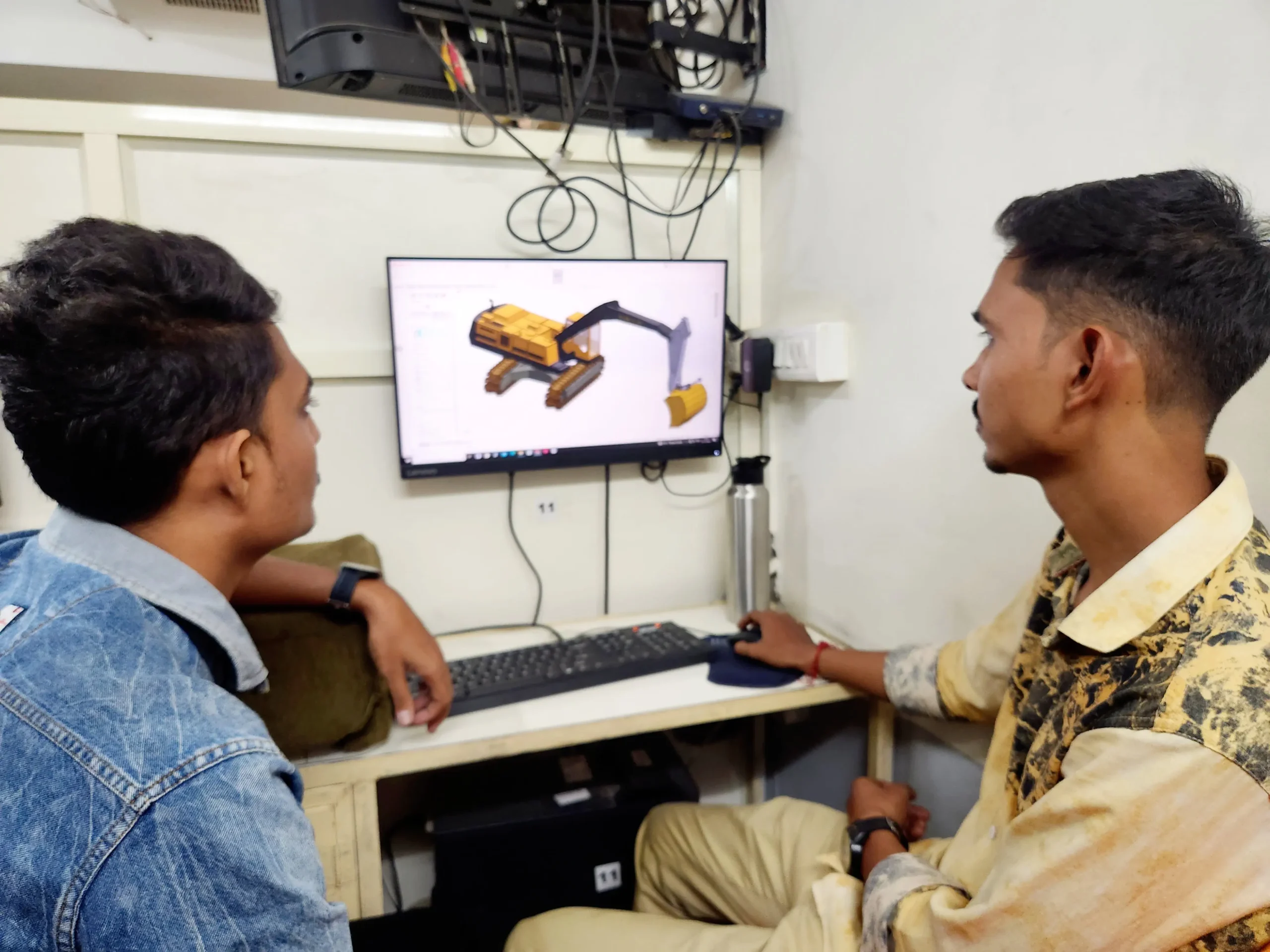
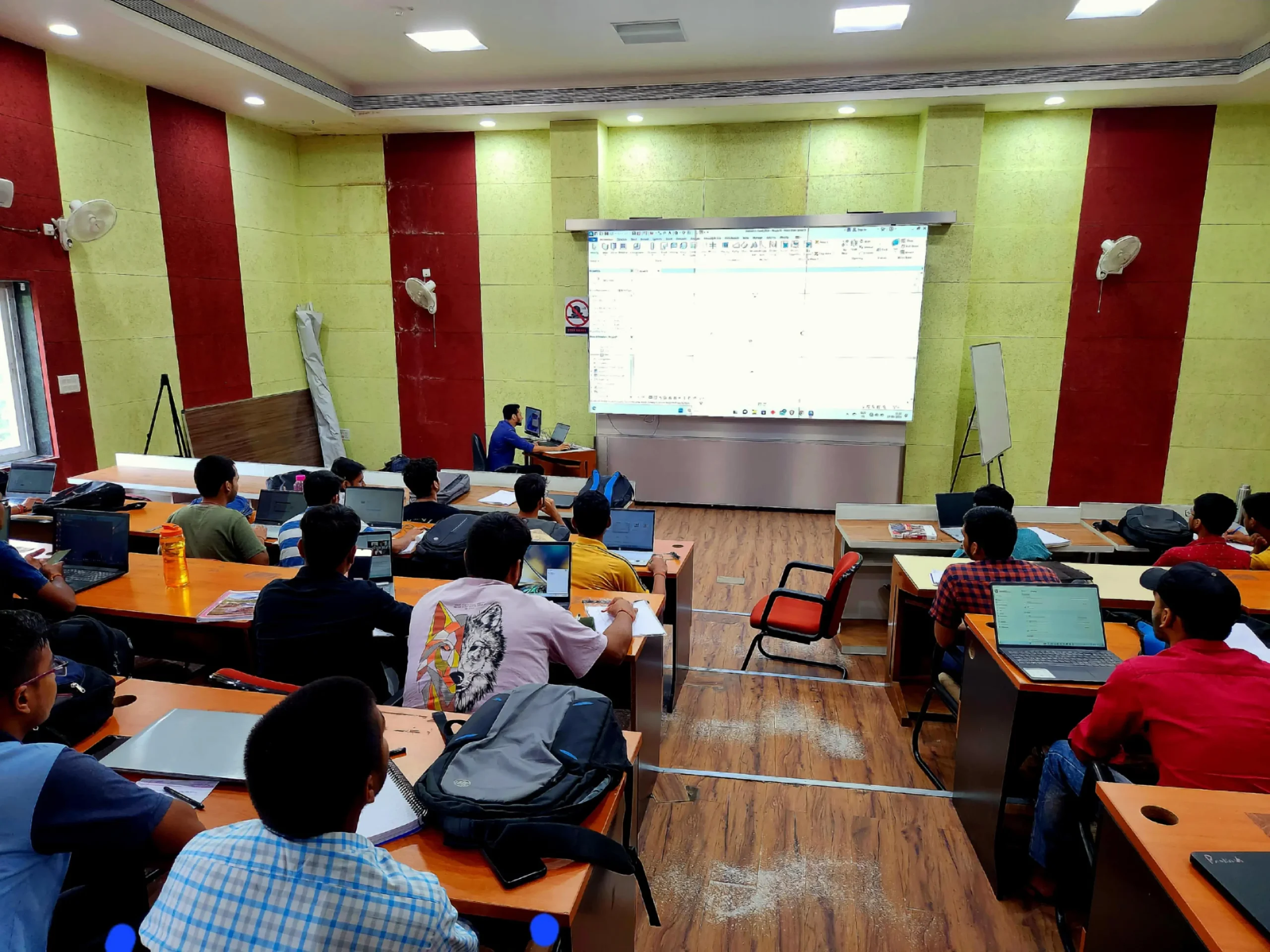
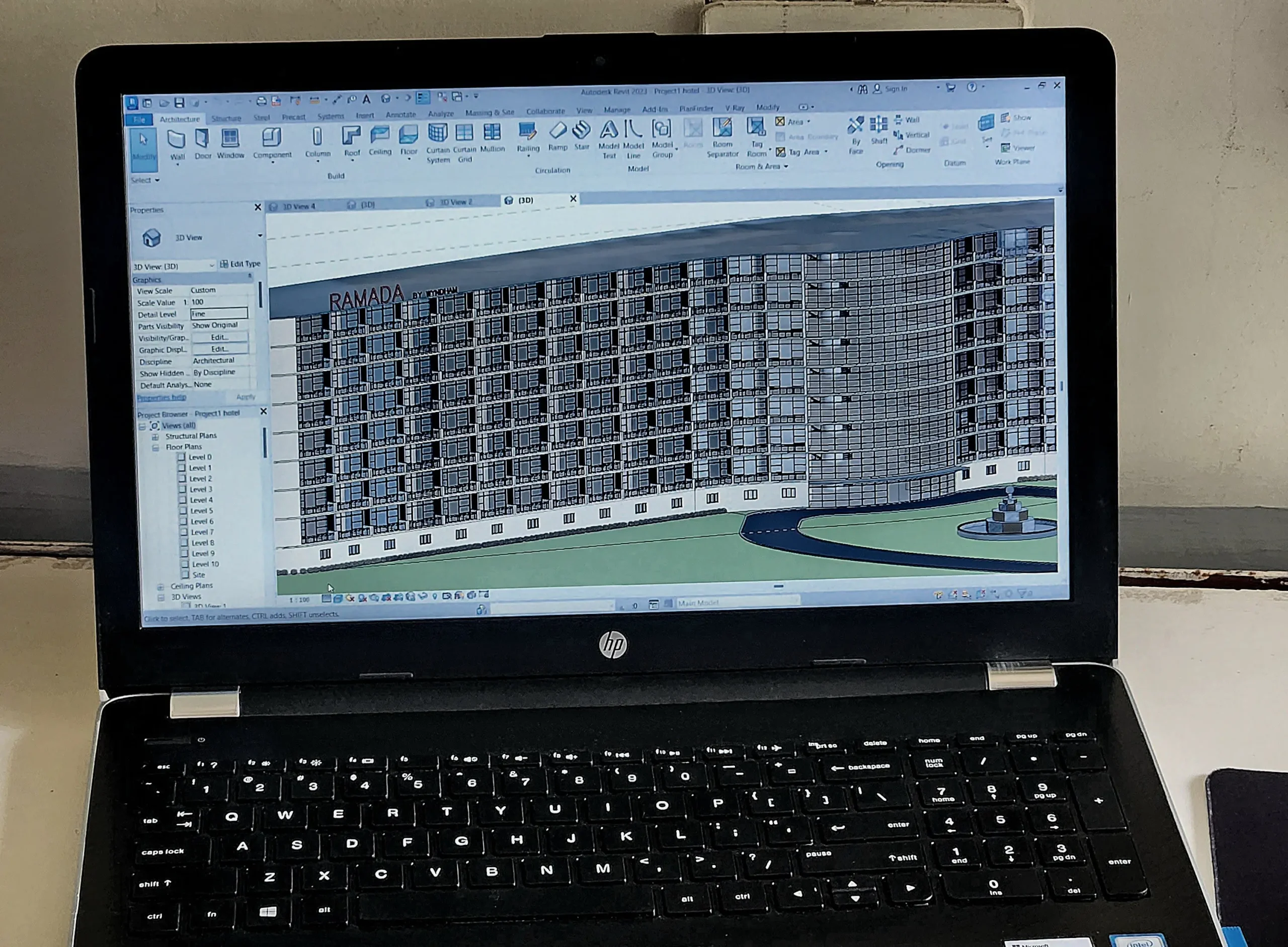
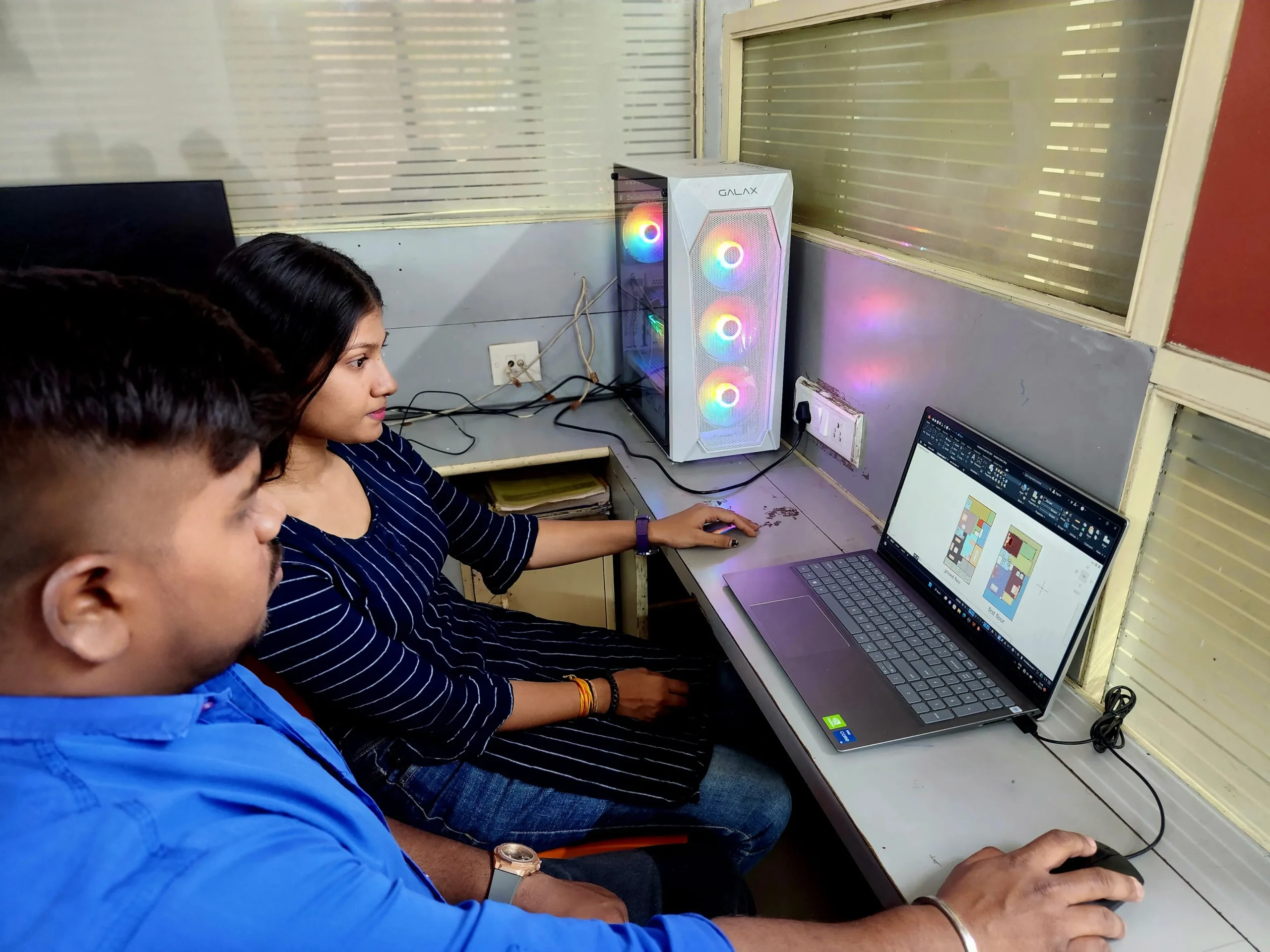
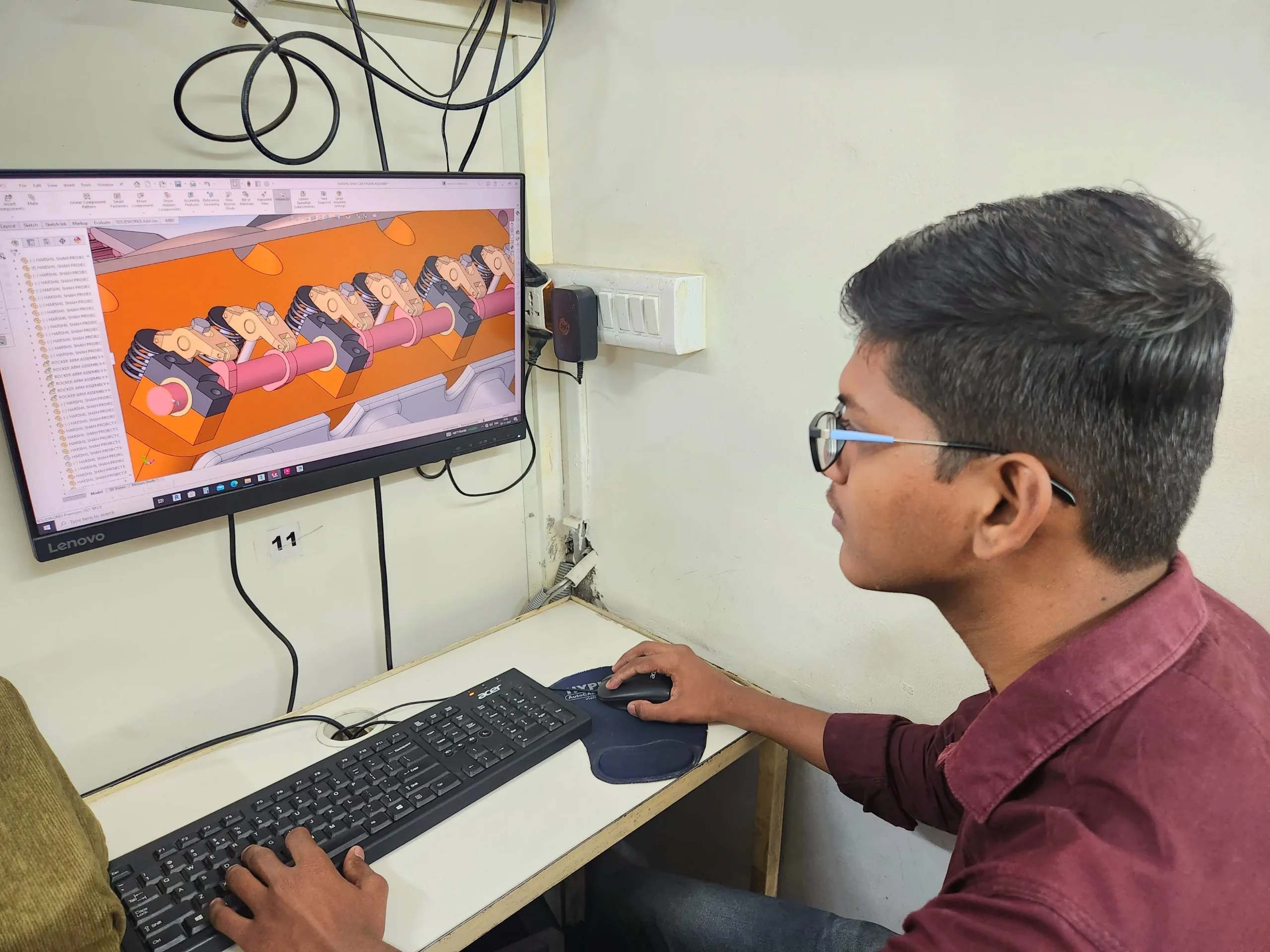
Sharing vibrant learning environment of our institute through photos of students’ learning experiences and trainers facilitating sessions.


Your Success, our goal
With extensive company partnerships, detailed training, and high student satisfaction, your future is in good hands.





















Piping Design Classes Students projects


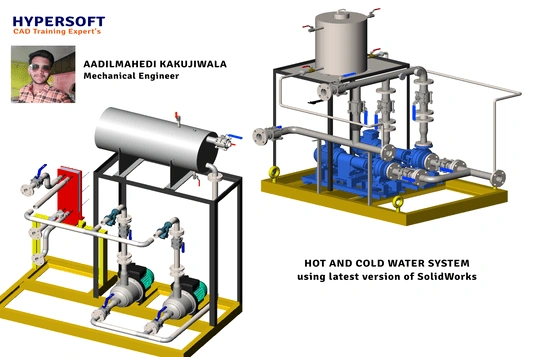
Hypersoft Leaners Succeed with Great Projects & Great Stories.
Explore Other Engineering Design Courses
SolidWorks Courses
📅 2 to 4 Months
🕑 2 hrs / Day
Creo Course
📅 2 Months
🕑 2 hrs / Day
Revit MEP Courses
📅 2 Months
🕑 2 hrs / Day
Piping Design Piping DesignCourse Help Desk & Student Support
What are the Piping Design class timings & Duration for this course?
New Plant 3D batch starts every month.
Plant 3D Professional Course
Duration: 1.5 Month 📅
Hours per day: 2 hours 🕜
Note:-
- Timings available from morning to evening ⏰ (Sunday OFF) ✨.
- If you want to complete the course faster ⏩, you can allocate more time per day.
- We also have a special batch for shift-duty employees 🏭.
To know about the new Plant 3D batch timings, call us at 📞 94278 99997!
What are the course fees for Plant 3D training?
Plant 3D Course Fees:- Rs 12950/-
Note: All fees are Laptop fees. If you don’t have laptop, then the fees will be Rs 13950.
Laptop Fee: Students who bring their own laptops & use them at the center for practice laptop fees will be considered.
Premiums Fees: Students Using Hypersoft Workstation (Computer) for Practice
Plant 3D classes are online or offline?
Is the Plant 3D course being a certified course?
Yes🎉
You will be awarded an Autodesk international government-approved certification 🏅.
Certification requirements:
- Pass an online exam with a score of at least 50% 📝.
- Submit a project that demonstrates your skills 💻🔧.
Are there any Emi Options Available?
Yes❗
You can pay your Plant 3D fees in two installments. 💳💼
Modes of Payment Accepted:
- Cash 💵
- UPI 📲
- Cheque 💰
- NEFT or IMPS 💻
Do you offer any free demo classes?
We offer 2 free demo classes for AutoCAD, where you can:
- Experience our teaching approach 👨🏫
- Check Your Interest: Are You Ready to Start Your Design Journey? 💡
What are the laptop specifications required to run Plant 3D software?
- CPU: Intel Core i5 10th Gen or AMD Ryzen 5 5th Gen (or above)
- RAM: 16 GB
- Storage: 256 GB NVMe or SSD
Where can I download Plant 3D practice exercises?
To download the software, please follow these steps:
1. Click here 🔗.
2. Register yourself 📝.
3. Select ‘Hypersoft’ as your college or institute 🏫.
4. Upload your Hypersoft fees receipt 📄.(It takes 48 hours to confirm your eligibility ⏳.)
5. Once confirmed, you’ll be able to download the software 💻.
6. After installation, log in with your Autodesk ID 🔑.
You’re all set! 🎉
Where can I download AutoCAD practice exercises?
You can download Piping practice exercises for:
- Equipment’s
- Piping
- Structure & Skids
- Spool Creation
Your trainer will provide the file password 🔑.
Will I get a job after completing the Plant 3D course at Hypersoft?
Yes! Hypersoft provides comprehensive job placement support through JobKart, our dedicated placement portal 💼.
With over 25 years of industry connections 🤝, we regularly receive job openings from top companies.
After you join, you’ll be added to the Hypersoft Placement Group 👥 for direct job updates and career assistance.
With our strong network and placement services, you’ll be well-prepared to land a job after completing your training 🚀.
Which websites should I avoid for Plant 3D downloads?
Warning: Avoid downloading AutoCAD from unauthorized websites like
- FileCR,
- GetIntoPC, and
- unverified Telegram sources.
These platforms often distribute counterfeit or harmful software that can put your device at risk. Always download AutoCAD from trusted sources, such as the official Autodesk website, to ensure the software is safe and legitimate.
What are the career opportunities for Plant 3D professionals in Vadodara?
The career opportunities for Plant 3D professionals in Vadodara are growing rapidly 📊.
L&T, Worley, Linde, Air Products etc companies in Vadodara use Piping tools & software’s, and there is a high demand for qualified plant 3D professionals in those companies. 🔧🚀.
Hypersoft has built strong connections with companies over the past 20 years, ensuring excellent placement opportunities for its students 🤝🎓💼.
How much do Piping design classes cost?
Piping design Offline or online Training Costs: Typically range from Rs. 10,000 to Rs. 50,000 💸.
Key Factors to Consider Before Choosing a Training Institute:
- Reputation & Experience: Check how long the institute has been around and its expertise in AutoCAD.
- Learning Resources: Check if the course includes eBook, textbooks or any other material.
- Practice Exercises: Crucial for understanding the depth of knowledge you’ll gain and your readiness for real-world applications.
- Certification: Aim for certifications above ISO standards (ISO is a company standard, not meant for training certificates).
- Post-Training Support: Look for ongoing assistance after course completion.
- Job Placement Assistance: See if the institute offers career support or placement services after the course.
- Alumni Feedback: Look for reviews or testimonials from previous students to gauge the quality of the training.
Hypersoft meets all 7 key factors mentioned above while keeping fees affordable and accessible.
What happens if I don't attend classes regularly?
If you miss more than 5 classes without written leave, your admission may be suspended.
You’ll be required to pay a re-activation fee of Rs. 500 or more.
Additionally, you won’t be able to attend makeup classes for the missed lectures 📚, and you may not be eligible to apply to top companies through Hypersoft Placement 💼.
Stay Regular & take written leave from trainer to gain maximum benefit of your learning journey! ✅
I was not able to attend a session. Will i get a refund for it?
Our refund window is open for 5 days from the date of admission.
However, for your convenience, you can reschedule your enrollment to another batch with a minimal transfer fee. 😊🔄
Will I get a job after completing the Plant 3D course at Hypersoft?
Yes🙌
Hypersoft provides comprehensive job placement support through JobKart, our dedicated placement portal 💼.
With over 25 years of industry connections 🤝, we regularly receive job openings from top companies.
After you join, you’ll be added to the Hypersoft Placement Group 👥 for direct job updates and career assistance.
With our strong network and placement services, you’ll be well-prepared to land a job after completing your training 🚀.
What are the benefits of learning Plant 3D in Vadodara?
- Enhanced employability with a skill highly sought after in industries like engineering, and manufacturing 🏗️🏭.
- Entry into white-collar job sectors where AutoCAD expertise is often a prerequisite for roles in design, engineering, and project management 💼🛠️.
- Career growth and higher salary potential in companies that value AutoCAD proficiency 📈💰.
What if I leave the class and want to complete it later or require a certificate?
If you take a break of more than 15 days without written leave.
A reactivation fee of ₹2,500 will be required ⚠️.
if you missed your exam you’ll need to pay an exam fee of ₹2,000 📜💰To get a certificate later.
Exams are conducted within 10-12 days after the course duration, or earlier if required.
How can I find Best Piping classes in Vadodara?
- Google “Best piping design classes in Vadodara” 🌐, read reviews ⭐, and visit the top-rated institutes. Hypersoft is the top-rated institute in Vadodara with 25+ years of expertise 🏅.
- Check the brand value of the institute 🔍. Institutes with a strong brand value tend to have better credibility and higher placement rates 📈.
- Also, ask friends 👥, seniors 🎓, or faculty 👨🏫 for recommendations.
What happens if I am unable to complete the course within given time?
If you are unable to complete the course within the given duration, don’t worry—we offer an extended time of 1.5 times the original duration to complete the course. 🕒
For example, if your course duration is 45 days, you can complete it in 67 days. 🗓️
After receiving your certification, you’ll become a valued member of the Hypersoft alumni network & you will get
- doubt resolution +
- revision assistance +
- access to premium masterclasses +
- placement 🎓😃🎉
All free of charge for a lifetime! 😲